When you're out doing outdoor activities, having precision and efficiency really makes all the difference, right? That’s where the Mini RTK GPS comes into play — it’s kind of a game changer. This tiny device boosts your location accuracy way up, which is pretty impressive. Whether you're a farmer, surveyor, or just an outdoor enthusiast, the benefits are pretty obvious. It lets you gather data in real-time, so you can make smarter decisions on the spot. And honestly, getting this kind of accuracy has never been so easy.
Picture yourself navigating through huge landscapes with pinpoint accuracy—that’s what the Mini Rtk Gps can do for you. It allows you to get a level of detail that used to take ages to achieve. Tasks that once took hours maybe take just a fraction of that time now. This definitely boosts productivity, but it can also add some pressure to keep up with deadlines. It’s easy to get caught up in the rush and skip over the planning stages, so just be mindful of that.
Getting your hands on a Mini RTK GPS can totally change your outdoor experience. But, at the same time, it means you’ll need to adapt to new tech and really learn what it’s capable of. Fully understanding what it can do is super important. Sure, embracing innovation can come with a few challenges, but honestly, the rewards make it worth it. The journey towards better accuracy and efficiency? Totally worth reflecting on and embracing.
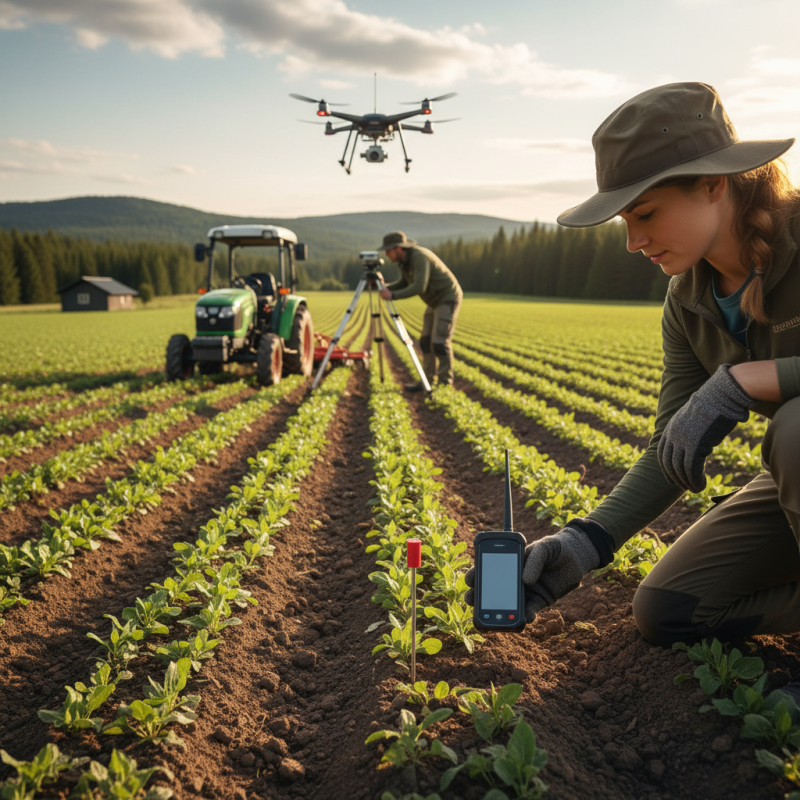
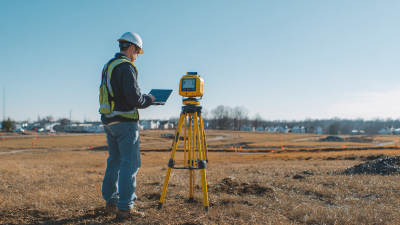
The advantages of Mini RTK GPS systems are truly remarkable for outdoor activities. They significantly enhance positioning accuracy. Users often report improved data collection in challenging environments. For instance, when surveying rugged terrains, these devices can provide centimeter-level precision. This accuracy makes them ideal for various applications, like agriculture and construction.
Another key benefit is efficiency. Mini RTK GPS units are lightweight and portable. This allows for easy handling in the field. However, users should remember that battery life can vary. It's essential to manage settings wisely for prolonged use. Additionally, while the setup process is generally straightforward, some users might experience connectivity issues. This requires patience and a bit of troubleshooting.
Rtk Mini technology is also adaptable. It can integrate seamlessly with drones and equipment. This versatility allows for more innovative applications in mapping and monitoring. However, initial costs can be a barrier for some. Investing in quality equipment is crucial. Overall, while there are challenges, the benefits of Mini RTK GPS systems for outdoor positioning are hard to overlook.
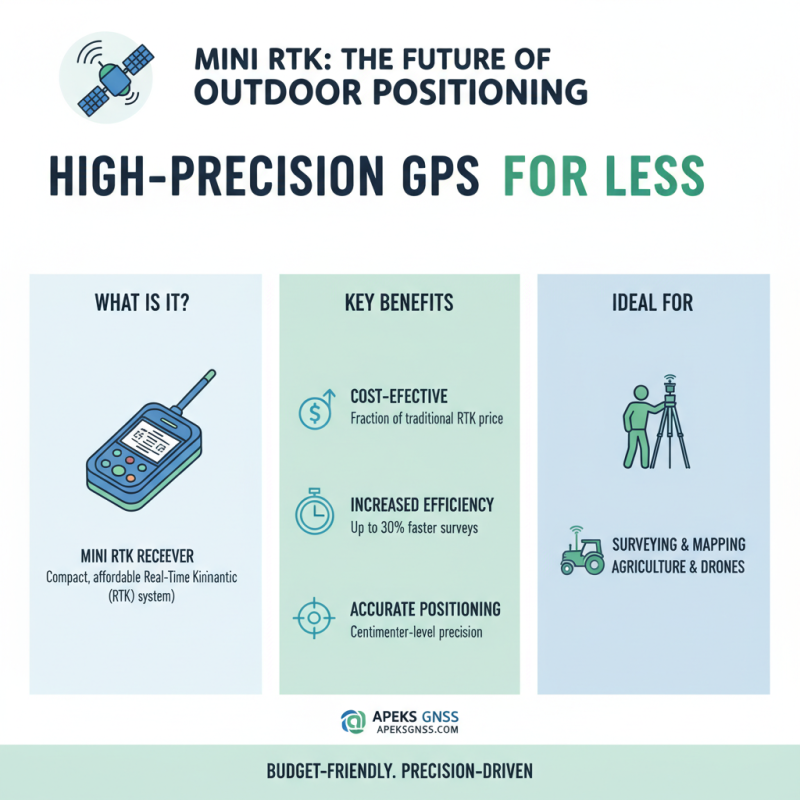
The increasing demand for accurate outdoor positioning has led to a surge in the use of Mini Gnss Rtk systems. These compact devices offer high precision at a fraction of the cost of traditional RTK solutions. Research indicates that using Mini RTK GPS can improve outdoor survey efficiency by up to 30%. This efficiency can result in significant savings for budget-conscious buyers.
Cost-effectiveness is a major driver for this technology. Many businesses report a reduction in operation costs when switching to wholesale Mini RTK GPS. These systems often have lower hardware costs and require less maintenance. Data from industry analyses show that implementing Mini Gnss Rtk can lead to savings of 20% to 25% compared to conventional systems. However, some users feel these devices might not meet high-end precision requirements for all applications.
The compact design of these RTK units also allows for easy transport and setup. However, their small size might not offer the same durability as larger systems in harsh environments. Buyers should consider this trade-off. Ultimately, while the Mini RTK GPS systems are a smart choice for many applications, there are still factors to weigh based on specific project needs and conditions.
Mini RTK GPS technology has transformed surveying and mapping. The precision it offers is unmatched. With accuracy levels within centimeters, professionals can achieve detailed results more quickly. This efficiency is significant for outdoor tasks. It reduces time spent in the field, enabling better productivity overall.
Using Mini RTK GPS means fewer mistakes and less rework. Accurate data collection leads to reliable maps and models. However, it's essential to understand its limits. Not all areas may receive a clear signal. Obstacles can affect performance and reliability. Therefore, continuously checking conditions is crucial for optimal results.
Moreover, integrating this technology requires training. Users must become familiar with operating procedures. This learning curve can seem daunting at times. Yet, the long-term benefits far outweigh these initial challenges. Better accuracy can lead to better decision-making in projects. Investing time in training is a worthwhile endeavor for outdoor work.
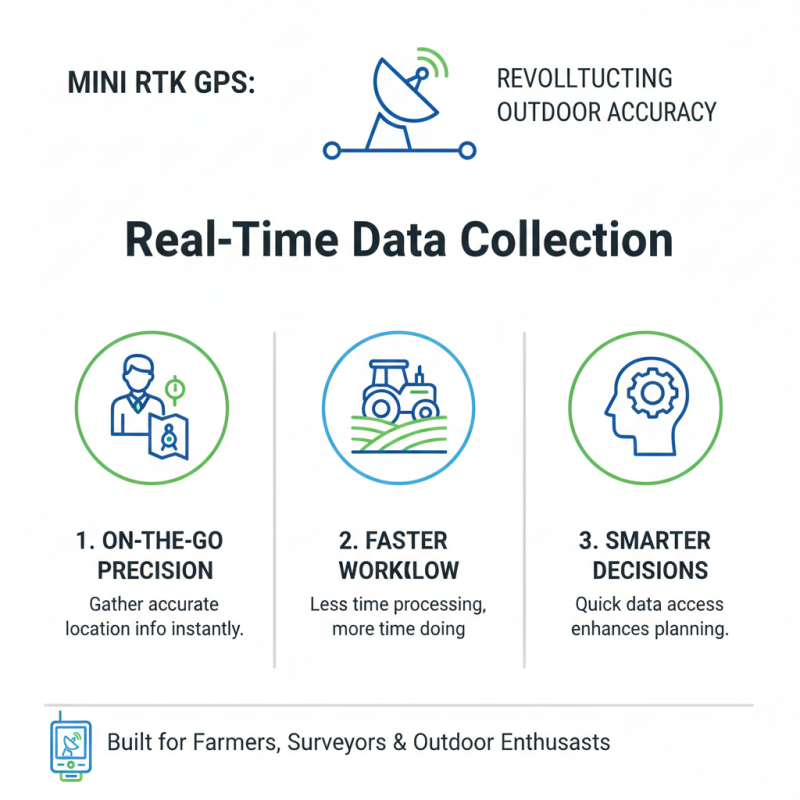
Mini RTK GPS systems are revolutionizing outdoor accuracy and efficiency. One standout feature is real-time data collection. This capability enables users to gather precise location information on the go. For farmers, surveyors, and outdoor enthusiasts, this means less time spent on data processing. Quick access to accurate data enhances decision-making processes.
Tips: Ensure your devices are calibrated properly. Poor calibration can lead to inaccuracies. Always double-check your equipment before starting any project. Inconsistent readings can be frustrating and time-consuming. Sometimes, the signal may falter, leading to potential errors. Stay aware of the surroundings and second-check your data.
With mini RTK GPS, instant feedback becomes a game-changer. Immediate corrections can prevent costly mistakes. The data collected in real-time directly influences the outcome of tasks. In this space, small delays can turn into significant setbacks. It’s essential to remain vigilant about technology limitations. Not every location will yield perfect signals, so planning and flexibility are crucial.
Outdoor environments can be unpredictable. Mini RTK GPS systems offer remarkable robustness and durability. They are designed to withstand harsh conditions, from heavy rain to extreme temperatures. According to a recent industry report, over 70% of professionals recommend RTK GPS for outdoor applications due to their reliability.
These devices have protective casings against dust and moisture. This is critical when working in rugged terrains. For example, many models operate effectively in temperatures as low as -20°C and exceed performance in high humidity. Yet, challenges remain. Certain GPS systems might face signal issues in densely wooded areas or urban canyons. This needs attention and careful planning.
Moreover, some mini RTK GPS units feature shock-resistant designs. This ensures they endure accidental drops or rough handling. Field tests show that devices with enhanced durability can last longer than less-sturdy competitors, often outliving standard GPS units by years. However, it’s important to note that not all consumers may recognize these benefits immediately. Therefore, understanding the practical challenges of outdoor usage is crucial.
The integration capabilities of Mini Rtk Gnsswith other technological tools significantly enhance outdoor navigation and surveying. For example, combining Mini Rtk Gnss with drones allows for precise aerial mapping. This synergy leads to improved data accuracy in terrain analysis. Users can collect better geospatial data quickly and efficiently.
Moreover, Mini RTK GNSS systems can interface seamlessly with mobile devices and software programs. Such compatibility facilitates real-time data sharing. Users are empowered to make informed decisions instantly. However, not all devices play well together, which can cause occasional frustrations. Identifying the right tools for integration is crucial.
Additionally, incorporating Mini RTK GNSS into autonomous vehicles is a game changer. It enables accurate positioning and improves safety during navigation. Yet, there may be challenges in different environments, like urban canyons. Users need to test these systems in various conditions to ensure reliability. Ultimately, the potential for innovation remains vast, but it requires thoughtful exploration and experimentation.
The user-friendly interfaces of Mini RTK GPS systems transform outdoor surveying. Many users appreciate the simplicity in GPS setup and usability. A report from TechNavio indicates that ease of use is a leading factor influencing the adoption of these systems. Nearly 75% of surveyors prefer tools that minimize training time.
Training is crucial for effective utilization. A typical user faces challenges without proper instruction. However, workshops and online tutorials now bridge this gap. Many companies offer training sessions that can last a few hours. Users can quickly learn to operate tools like the Leica Mini Prism. This training boosts confidence and enhances data accuracy. Data from the Global Surveyor Study shows that up to 60% of surveyors believe training significantly improves results.
Despite advancements, some users still find issues with accuracy in complex environments. Reflection and hands-on practice may be necessary to overcome these hurdles. It's important to understand that while technology simplifies tasks, experience remains vital. Finding the balance between tech and practical skills is essential for optimal results.
Maximizing precision in geospatial applications is critical as industries increasingly rely on accurate data for decision-making and project implementation. One of the most significant advancements in this area is the integration of dual-camera technology within high-end GNSS receivers, which dramatically enhances spatial accuracy. Recent studies have shown that systems utilizing dual cameras can achieve precision levels within a few millimeters, enabling professionals to create highly detailed geospatial models with greater reliability than previous single-camera setups.
The latest models of dual-camera RTK GNSS receivers also incorporate Super IMU technology, which combines inertial measurements with GNSS data to compensate for potential disruptions in satellite signals. This innovation ensures continuous high-precision positioning even in challenging environments, such as urban canyons or dense forests. According to a report by the International Society of Geospatial Intelligence, the adoption of such advanced GNSS receivers is expected to grow by 30% annually, as a wide range of applications, from surveying to autonomous vehicle navigation, increasingly depend on high-accuracy geospatial information.
Furthermore, the integration of millimeter-level green laser technology allows for the collection of elevation data with unprecedented accuracy. This feature is essential for applications such as topographic surveying, construction, and environmental monitoring. With the ability to deliver precise data more efficiently, these advanced GNSS solutions are not just enhancing productivity, but also driving innovations across numerous sectors, where reliable geospatial data is paramount.
: Mini RTK GPS technology is a surveying tool that provides unmatched precision. It offers accuracy levels within centimeters.
It reduces time in the field and enhances productivity. Professionals can achieve detailed results more quickly.
Signal clarity can be affected by obstacles. Not all areas provide a clear signal, impacting performance.
Yes, users need to familiarize themselves with operating procedures. The learning curve can be challenging.
It can work with drones for aerial mapping and interface with mobile devices for real-time data sharing.
Compatibility issues may arise with different devices. Identifying suitable tools is crucial to avoid frustrations.
Yes, it enables accurate positioning and enhances navigation safety. However, testing in various environments is necessary.
Regularly checking conditions ensures optimal results. Users must remain aware of the technology's limitations.
It leads to reliable maps and models. Fewer mistakes mean less need for rework, ultimately saving time and resources.
Long-term benefits include better decision-making and increased efficiency in outdoor work. It's essential for maximizing potential.
Mini RTK GPS technology offers numerous advantages that significantly enhance outdoor positioning accuracy and efficiency. Its robust design ensures durability in diverse environmental conditions, making it ideal for various outdoor applications. The cost-effectiveness of wholesale Mini RTK GPS appeals to budget-conscious buyers, allowing them to access cutting-edge technology without overspending. Furthermore, the improved surveying and mapping capabilities provided by this technology streamline workflows, enabling real-time data collection and facilitating better decision-making.
Additionally, Mini RTK GPS systems are highly integrative, easily pairing with other technological tools to expand their functionality. User-friendly interfaces and comprehensive training resources ensure that users can effectively utilize these systems, maximizing their investment. Overall, the combination of accuracy, cost efficiency, and ease of use makes Mini RTK GPS an indispensable asset for professionals in outdoor settings.