You know, the world of global industries is really on the verge of some big changes, and it's mainly thanks to some serious strides in Rtk Gnss Receiver tech. These days, having accurate geospatial data is becoming super important across a bunch of fields—think construction, agriculture, and transportation. Precision positioning is turning out to be key for boosting how efficiently everyone works and making better decisions. And get this: recent reports suggest the GNSS market could hit a whopping USD 212 billion by 2028! There’s a noticeable shift happening toward Real-Time Kinematic (RTK) solutions, which give those mind-blowing centimeter-level accuracy. Leading the charge in this exciting time is Shanghai Apekstool (APEKS), a top-notch company that’s rolling out some really cool geospatial surveying and mapping gadgets, including advanced RTK GNSS receivers. With these cutting-edge tools, APEKS is not just raising the bar for surveying; they’re also helping industries tap into geospatial intelligence like never before, which is pretty awesome for boosting productivity and sustainability.
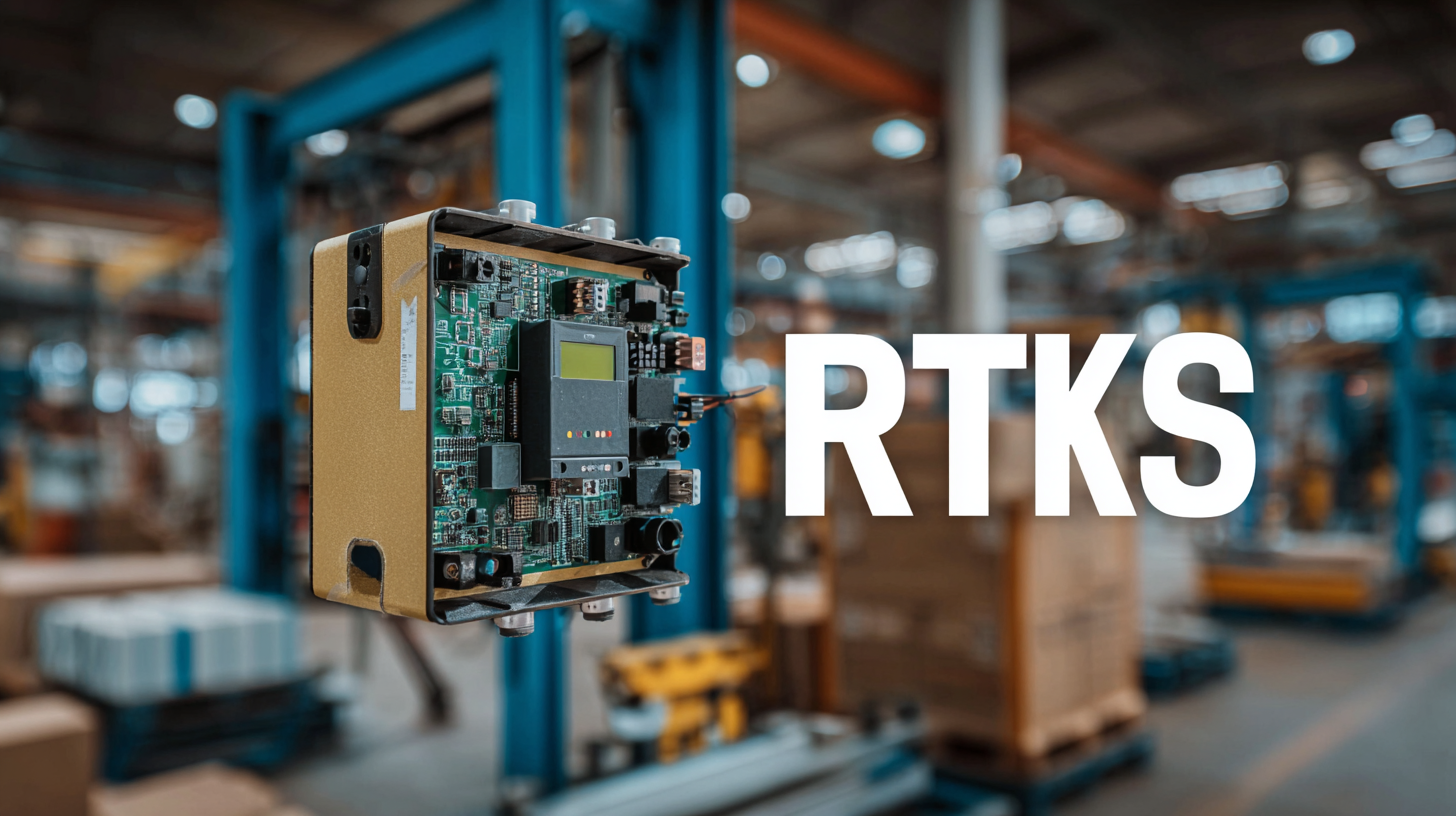
You know, Real-Time Kinematic (RTK) systems are really shaking things up when it comes to how industries collect and use geospatial data. With their ability to deliver accuracy down to the centimeter in real-time, RTK GNSS (Global Navigation Satellite System) technology has become a must-have in areas like agriculture, construction, and surveying. A recent report from MarketsandMarkets predicts that the RTK GNSS market will jump from $1.5 billion in 2023 to a whopping $2.8 billion by 2028, which is a crazy growth rate of 14.3%. This just goes to show how much people are relying on Precise Positioning tech to streamline operations and boost productivity.
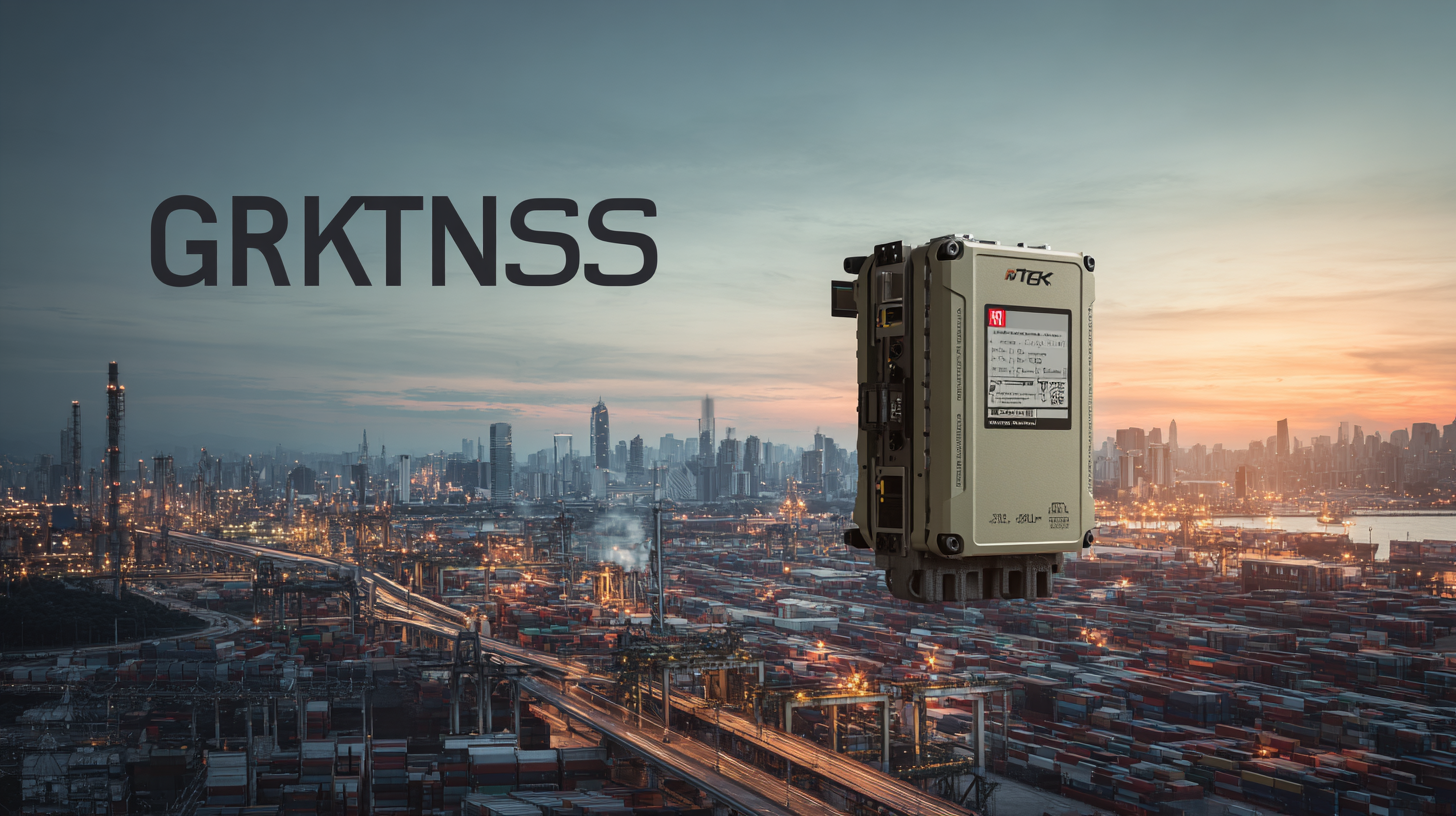
So, what’s behind the magic of RTK technology? At its core, it uses a network of fixed reference stations to fine-tune the accuracy of GNSS signals. This system does a great job of reducing signal errors brought on by atmospheric conditions and multipath effects, giving real-time corrections to mobile devices. In fact, a study from the International Journal of Remote Sensing back in 2022 found that RTK GNSS can trim position errors down to as little as 2.5 centimeters! That’s a massive step up compared to the traditional GNSS systems which usually hit meter-level accuracy. As various industries strive to ramp up their efficiency and make smarter decisions, it's clear that RTK GNSS technology is going to be a game-changer in the world of precision measurement.
You know, as the need for precision in geospatial surveying keeps growing, the latest RTK GNSS receivers are really about to change the game for industries around the world. They offer this amazing level of accuracy and efficiency that’s just unbeatable. One of the big things to keep an eye out for in top-notch RTK GNSS receivers is their multi-frequency capability. This feature lets them pick up signals from different satellite systems, which helps cut down on interference and really boosts positional accuracy. Plus, with advanced processing algorithms, real-time positioning can get a serious upgrade, which is super important for folks in agriculture, construction, and surveying.
Oh, and we can't forget about connectivity! Robust options like Bluetooth, Wi-Fi, and cellular capabilities make data transfer and integration with various devices and software so much smoother. At Shanghai Apekstool (APEKS), we totally get how these technologies work, and we pride ourselves on delivering innovative GNSS solutions tailored to our clients’ unique needs. We're dedicated to creating reliable surveying and mapping tools, and that puts us right at the forefront of the industry. We're here to help professionals tap into the amazing potential of precise geospatial data in their workflows.
You know, the accuracy of Real-Time Kinematic Global Navigation Satellite System, or RTK GNSS for short, is really about to shake things up across a bunch of different industries. Just take agriculture, for example. This RTK technology can actually boost crop yields by as much as 20%! How? Well, it does a fantastic job at field mapping and helps automate machinery. A report from MarketsandMarkets is predicting that the precision agriculture market, fueled by RTK tech, could hit a staggering $12.8 billion by 2027. That really shows how much farmers are leaning on precise positioning to up their game!
And then there's construction, where RTK GNSS is a game-changer too. It really steps up the efficiency when it comes to site surveying and managing equipment. A study from ResearchAndMarkets suggests that the construction industry is set to embrace GNSS tech even more, which could shave about 25% off project delivery times. It’s all about gathering real-time data and achieving positioning accuracy down to the centimeter! This makes planning and resource allocation so much smoother. As more and more industries start to dive into high-tech solutions, RTK GNSS is going to be super important for staying ahead and driving innovation in all kinds of sectors.
You know, as more and more industries jump on the tech bandwagon, precision navigation using RTK GNSS receivers is really shaking things up in agriculture and construction. A recent report from MarketsandMarkets says that the agricultural sector is projected to grow by an impressive 12.8% annually when it comes to precision farming technologies, mainly thanks to the rise of RTK GNSS systems. These nifty tools help farmers with everything from accurate field mapping to soil analysis and even variable rate applications. This means they can boost their productivity while making better use of their resources. In fact, precision agriculture is expected to slash input costs by as much as 20% and bump crop yields up by about 15%. How cool is that? It’s all about smarter, more sustainable farming practices now.
Now, let’s switch gears for a second and talk about construction. The influence of precision navigation here is just as significant. A study from the Construction Industry Institute found that using GNSS technology can make project efficiency soar by up to 30%! That's a big deal for cutting down labor costs and speeding up construction time. Thanks to RTK GNSS receivers, surveyors and construction teams can hit centimeter-level accuracy, which is super important when it comes to planning and executing projects. Plus, integrating these high-tech systems not only lifts the quality standards but also ramps up safety on construction sites, which is — let’s be honest — a big win for everyone involved by minimizing those costly mistakes and reworks. This whole shift in precision navigation really highlights how crucial GNSS technology is for shaping the future of farming and construction alike.
The landscape of global industries is on the brink of a transformation as Real-Time Kinematic (RTK) GNSS technology continues to evolve. Future trends indicate that advancements in GNSS receivers will enhance accuracy, reliability, and efficiency in navigation and positioning tasks across various sectors, including agriculture, construction, and transportation. The integration of AI and machine learning algorithms is set to elevate the capabilities of RTK systems, enabling real-time data processing and adaptive learning, which will be crucial for applications like autonomous vehicles and precision farming.
Tips for users interested in RTK GNSS technology include staying updated on the latest receiver models and their features. Choosing a receiver with multi-frequency support can significantly improve positioning accuracy, especially in challenging environments. Additionally, consider software compatibility and the potential for firmware updates, as these can enhance the operational lifespan and performance of your equipment.
Another important trend is the shift towards cloud-based solutions. By utilizing cloud technology, companies can streamline data sharing and improve collaboration across teams. This approach not only maximizes the efficiency of GNSS data but also allows for more flexible use of resources. Embracing these innovations will be essential for industries aiming to maintain a competitive edge in an increasingly data-driven world.
This bar chart illustrates the projected adoption rate of RTK GNSS receivers over the next few years, highlighting the significant growth anticipated as industries begin to embrace increased precision in navigation technologies.
: RTK GNSS technology stands for Real-Time Kinematic Global Navigation Satellite System, which provides centimeter-level accuracy in real-time for geospatial data collection.
RTK GNSS is essential in industries such as agriculture, construction, and surveying.
The RTK GNSS market is projected to grow from $1.5 billion in 2023 to $2.8 billion by 2028, with a compound annual growth rate (CAGR) of 14.3%.
RTK technology employs a network of fixed reference stations that provide real-time corrections to mobile devices, mitigating errors caused by atmospheric conditions and multipath effects.
RTK GNSS can reduce position errors to as little as 2.5 centimeters, significantly improving upon traditional GNSS systems that usually provide meter-level accuracy.
A key feature is multi-frequency capability, which allows receivers to process signals from multiple satellite systems, enhancing positional accuracy.
Robust connectivity options, such as Bluetooth, Wi-Fi, and cellular capabilities, are important for ensuring seamless data transfer and integration with various devices and software.
Advanced processing algorithms can significantly improve real-time positioning, which is essential for applications in agriculture, construction, and surveying.
Shanghai Apekstool is committed to developing reliable surveying and mapping products and providing innovative GNSS solutions that cater to the specific needs of clients in the industry.